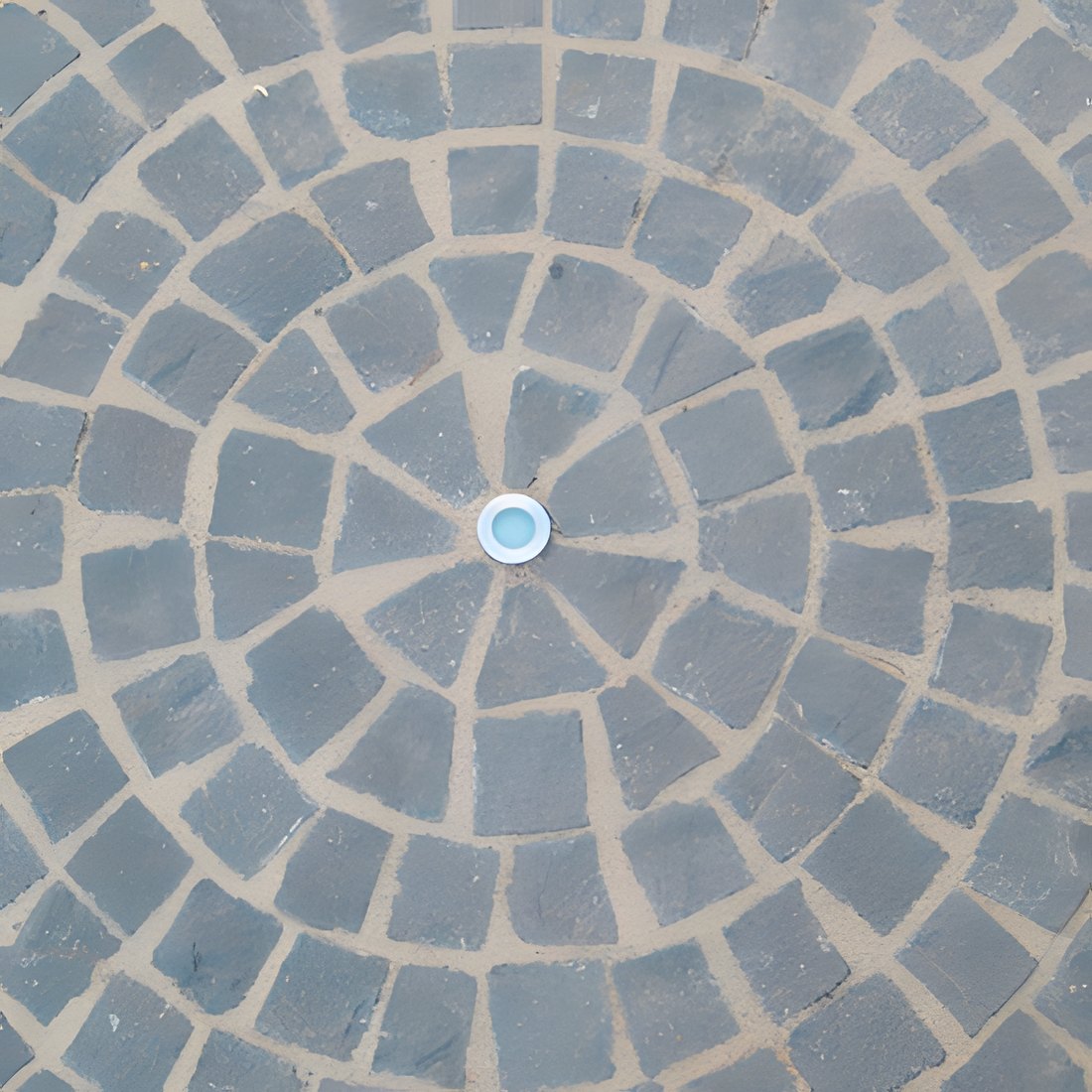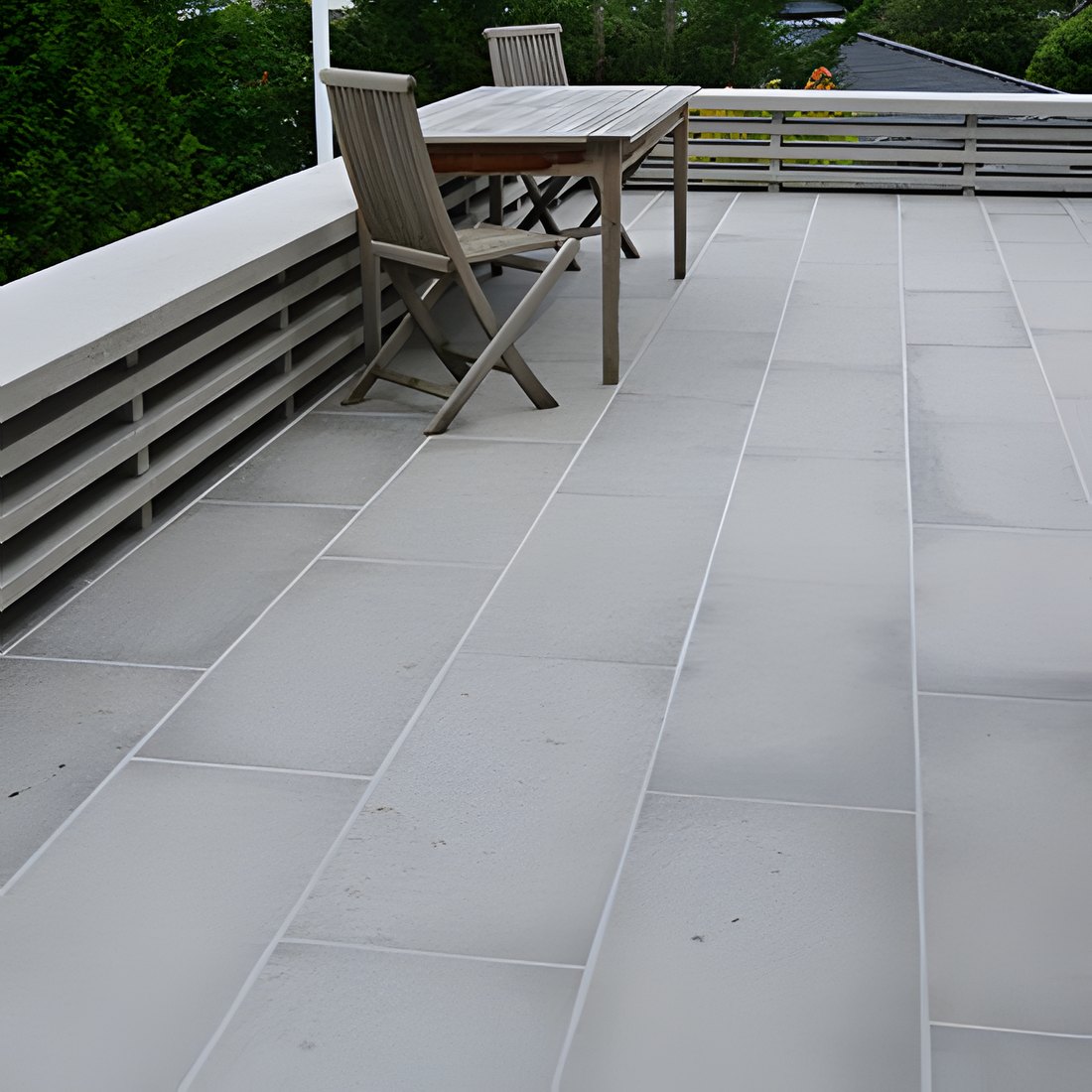

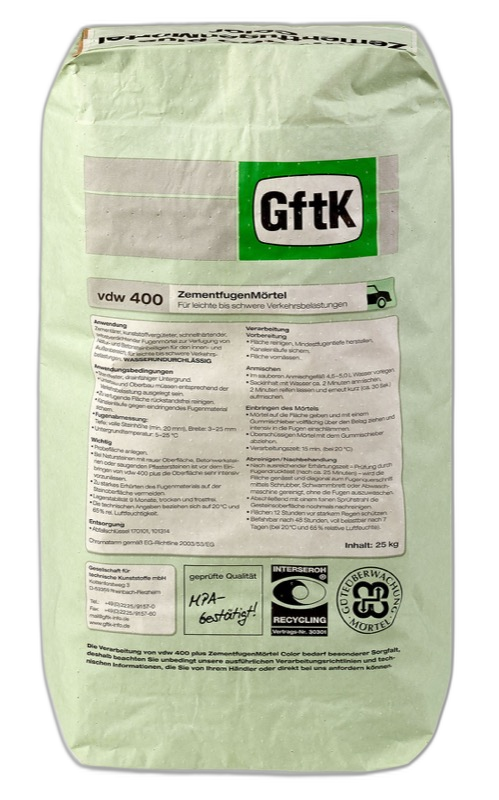
vdw 400 ZementfugenMörtel is a cementitious, modified, fast-hardening joint mortar for jointing paving subject to car traffic, for interior and exterior use. Easy application without pre- or post-treatment agents. This joint mortar can be used, for example, to create patios, driveways or garden paths.
- Compressive strength of 30 N/mm²
- high freeze/de-icing-salt resistance
- early foot traffic and loading
- highly flowable
Application
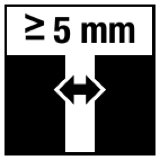
Requirements Stable, load-bearing substrate. Joint depth full paver height (min. 20 mm), joint width from 5 mm up to max. 25 mm, exterior and surface temperature of the paving from 5 °C, max. 25 °C.
Tools Free-fall mixer, ideally a forced-action mixer, a stirrer suitable for small areas, water hose, adjustable spray nozzle or fan nozzle, rubber squeegee, scrubber, sponge board, roller wash-off set or wash-off machine.
Test area Cement-based joint mortars are subject to the natural ageing process. To counteract this, the products are factory-set to harden quickly. The reaction speed must therefore be checked before jointing. With natural and concrete stone paving, contact between vdw 400 and the stone surface may cause visual changes. In general we recommend laying out a test area.
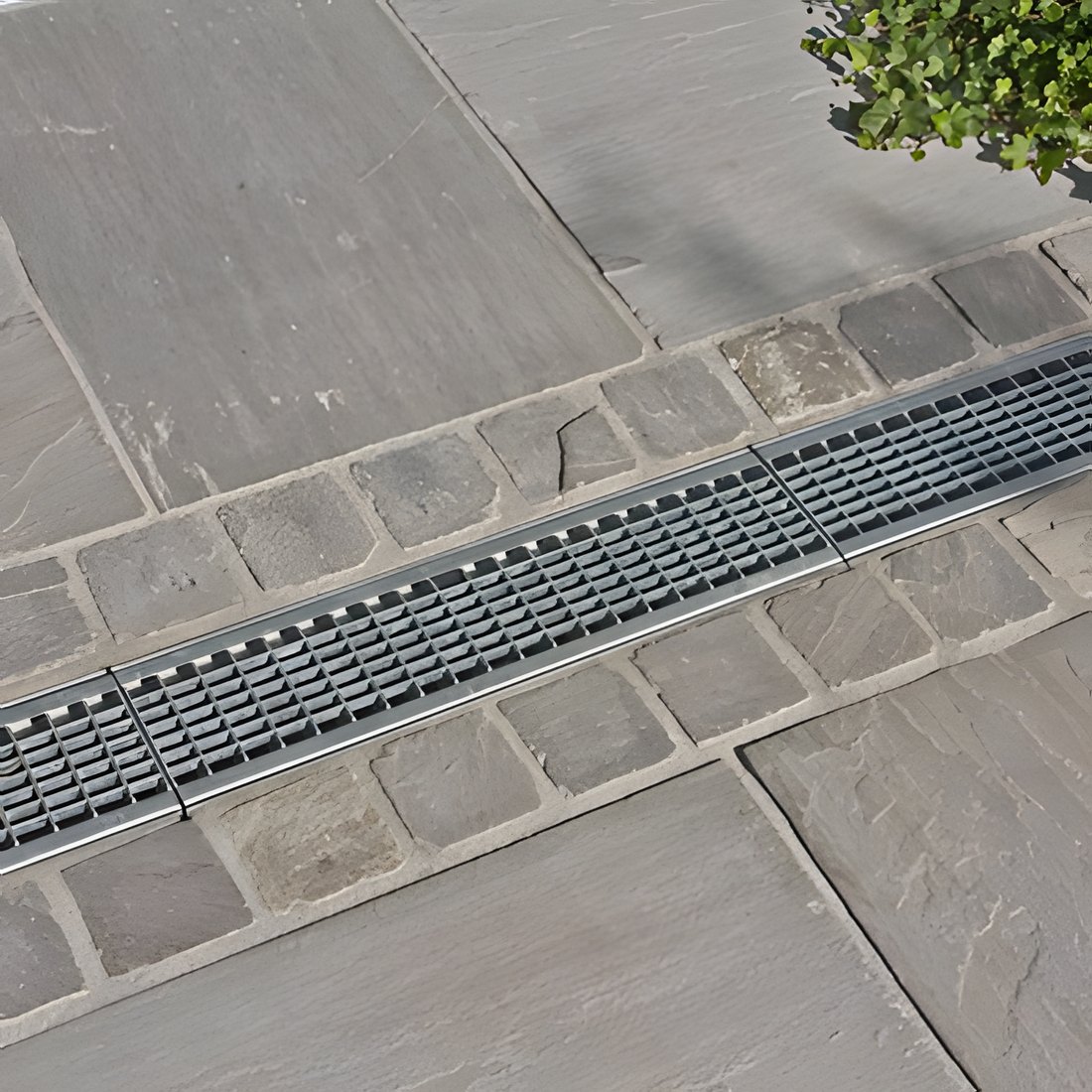
Preparation Fix loose stones in place, protect drainage inlets against ingress of jointing material. Clean the area to be jointed so it is free of residue. Clean joints and stone flanks of loose components.
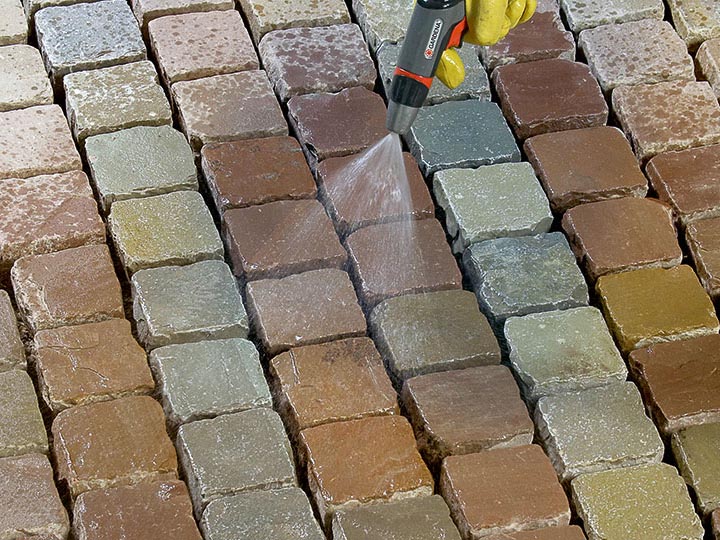
Pre-wetting Pre-wet the areas. With natural stones with a rough surface, cast concrete stones or absorbent pavers, the surface must be pre-wetted very intensively before applying vdw 400. Standing water in the joints must be avoided.
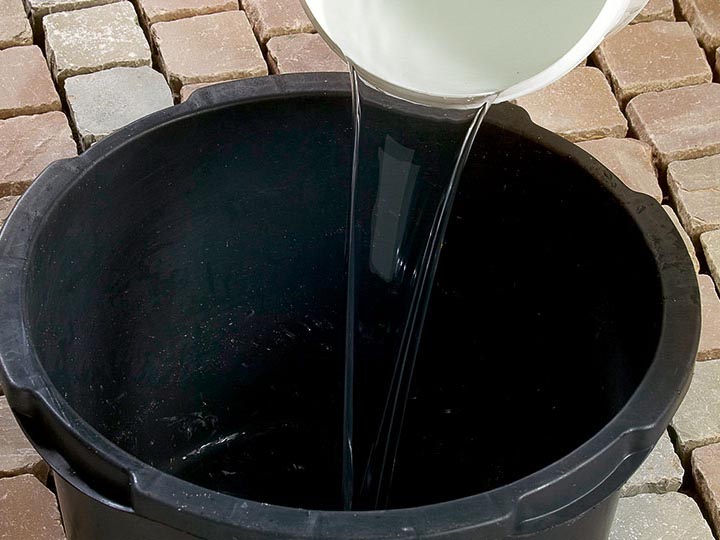
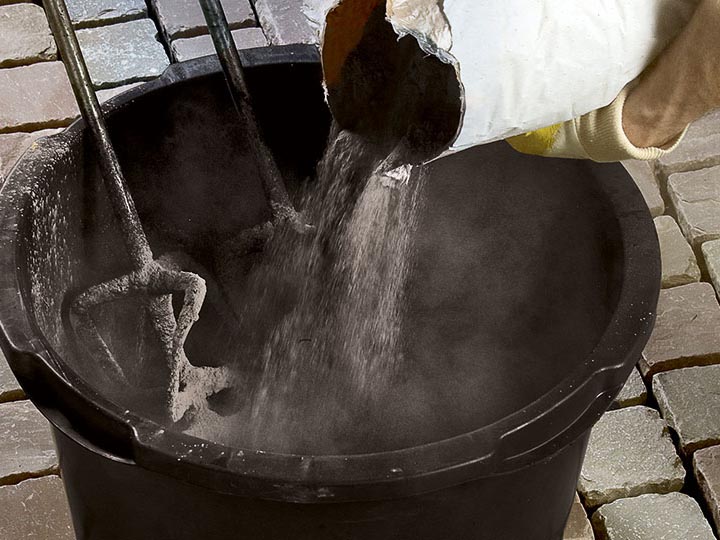
Mixing the natural stone joint mortar Place 4.5 l of water per 25 kg bag in a clean mixing vessel. Add vdw 400 and mix for approx. 2 minutes to a homogeneous mortar with a slurry consistency.
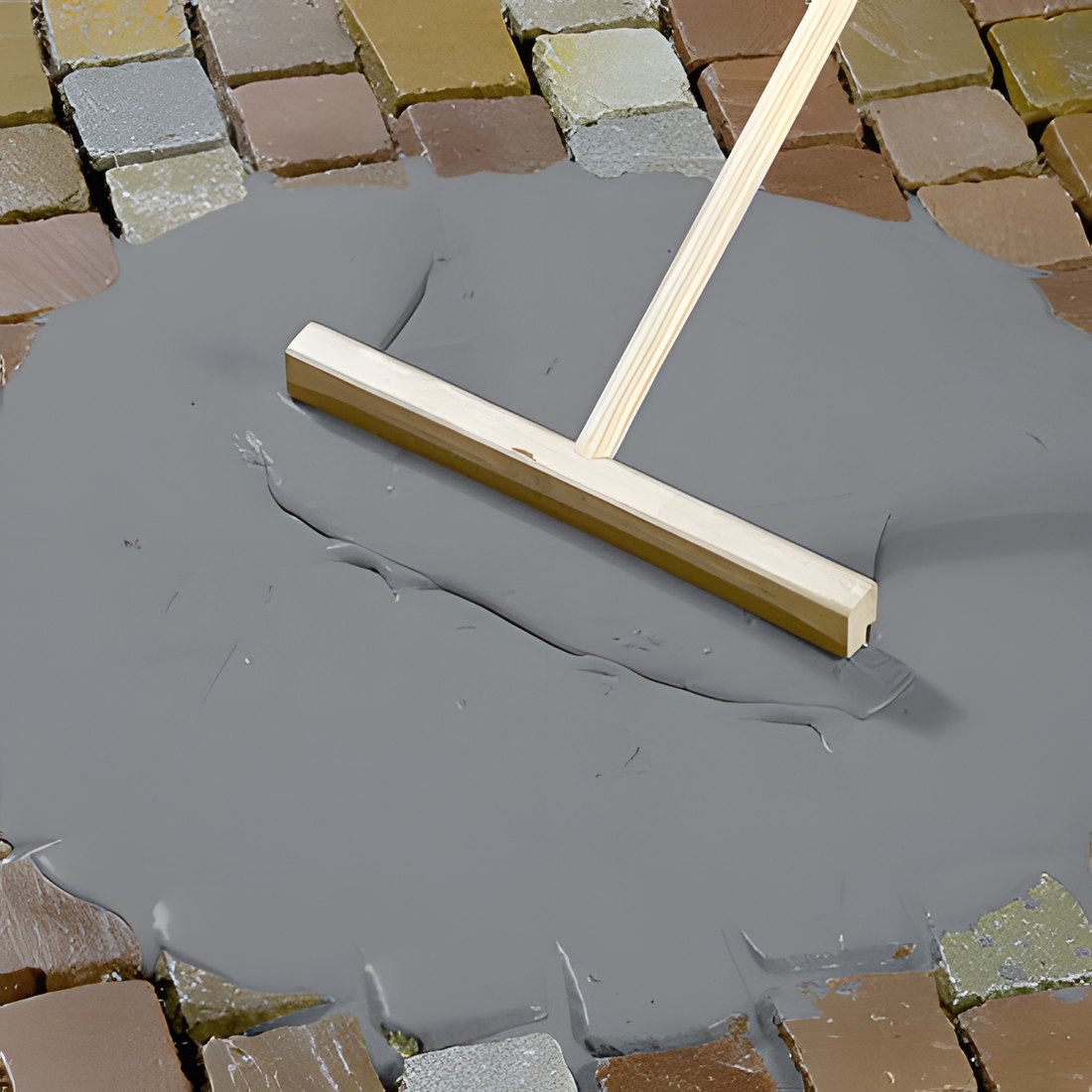
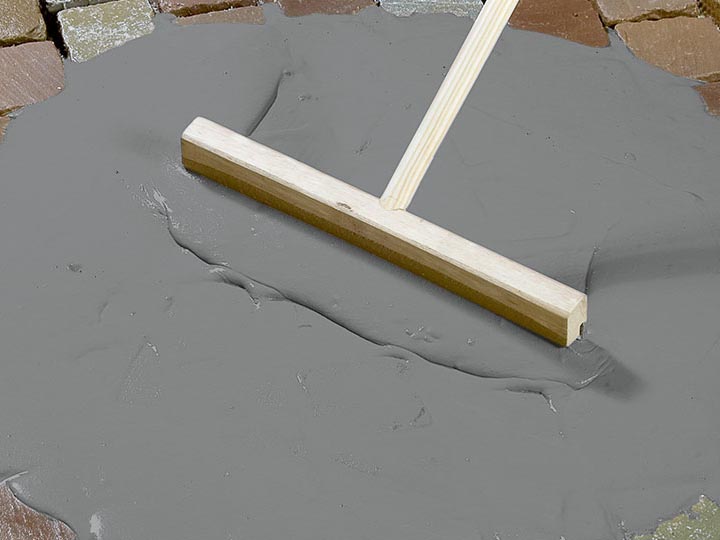
Filling the joints Apply the mortar to the surface and pull it across the paving over the full area with a rubber squeegee, working it intensively into the joints. Introduce the mortar so that the joint cross-section is completely filled. Pull off excess joint mortar with the rubber squeegee.
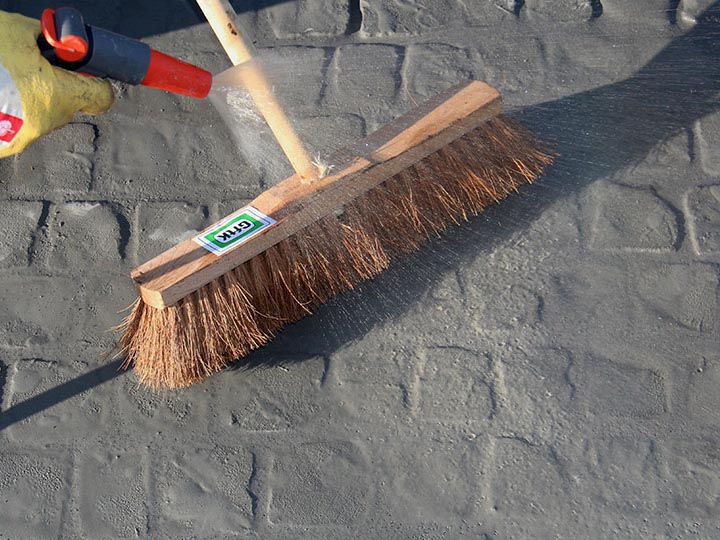
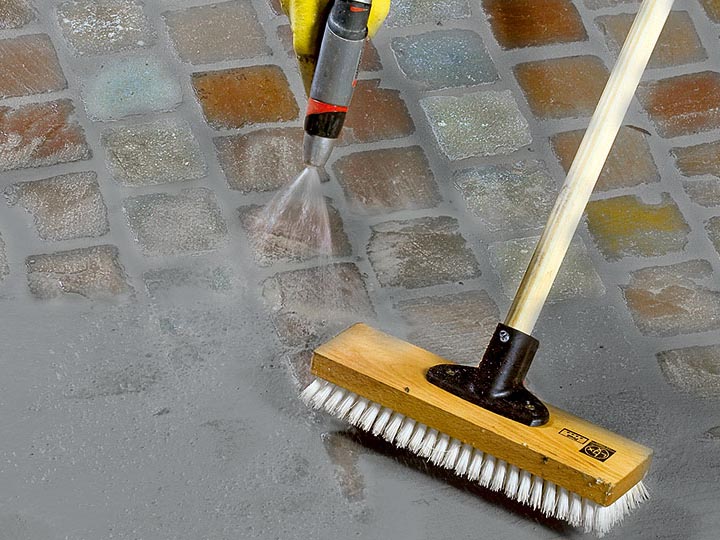
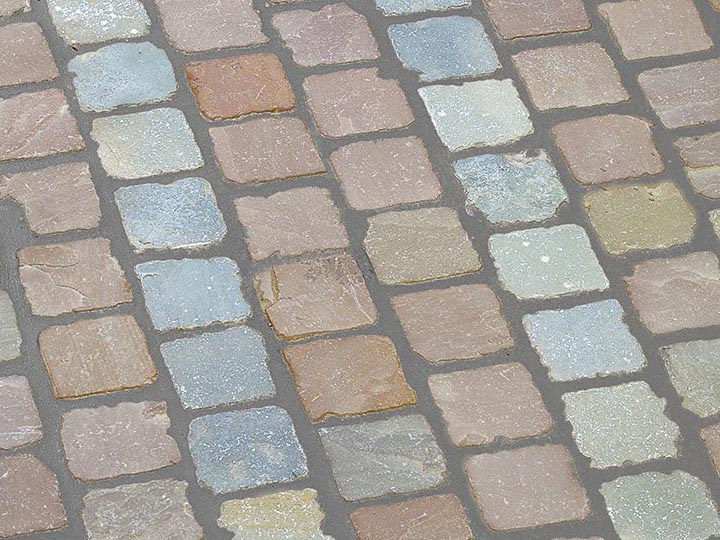
Cleaning Caution: avoid excessive hardening of the jointing material on the stone surface. After sufficient hardening time, checking with a joint pressure test (after approx. 25 min at 20 °C), wash the paving cleanly diagonally to the joint cross-section using a wash-off machine, scrubber, spray nozzle or fan nozzle, without washing out the joints. Finally, clean the stone surface free of residue with a spray jet. After 4 to 6 hours the jointed areas can take foot traffic. Can take car traffic after approx. 3 days, fully loadable after 7 days.
Technical data
| Compressive strength | 30 N/mm² |
| Joint width | 5 to 50 mm |
| Joint depth | Full paver height (min. 20 mm) |
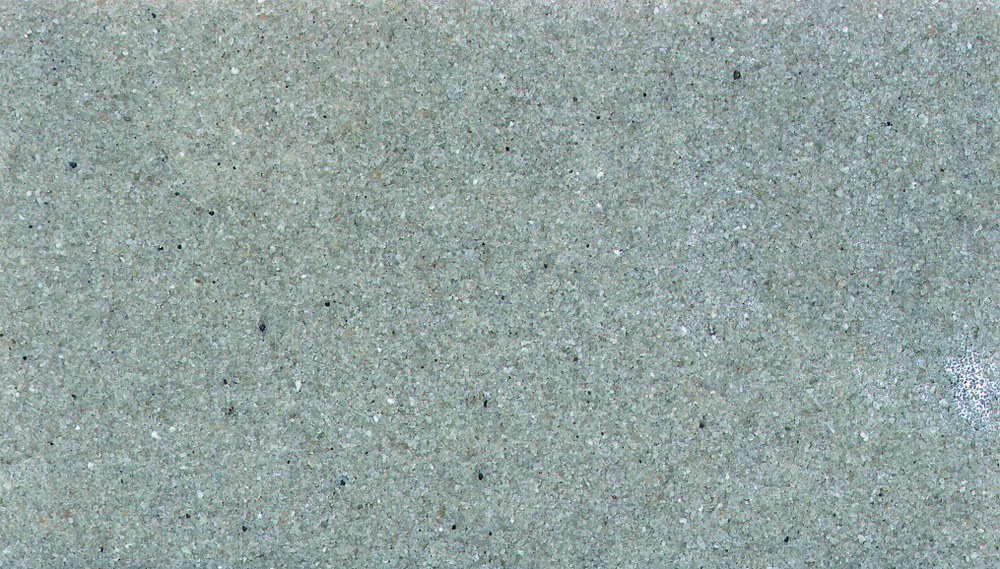
| Colour | Cement grey |
| Packaging | Bag 25 kg |
| Water quantity | 4.5 l per 25 kg bag |
| Walkable after | 4 to 6 hours |
| Car-drivable after | Approx. 3 days |
| Fully loadable after | 7 days |
| Processing temperature | 5 to 25 °C |